
Learning from the Learner’s: Week 1 of Garden Lessons
Anna Wellborn, Youth Education Coordinator, TerraCorps Member
“You should still take care of things, even if they're broken.”
- 1st grader, Samuel W. Mason Elementary School
As I shadowed Garden Educators during my first week of service at CitySprouts, I found myself in the same shoes as many of the students. I, too, was becoming familiar with the educators, schools, gardens, and expectations CitySprouts offers. The students I encountered this week, whether pre-K or first grade, were eager to teach me what they knew.
The first week of garden activities is designed to familiarize students with the expectations and contents of the gardens. At Dr. William W. Henderson Inclusion Elementary School, the first day of garden lessons was marked by a gaggle of wiggly students trying to calm their bodies as the flowers, corn, and tomatoes were waving in the wind, flashing rainbow colors in greeting. As Gardener Hazel led out the first group, returning students waved hello to the plants, calling out names that they remembered from last year’s planting—corn! potatoes!
At Samuel W Mason Elementary School, after establishing that my matching red CitySprouts shirt did not automatically make me Gardener Jordan’s sister or best friend, the students learned that I was new to the gardens. While I sat at the picnic table, observing the lesson and making notes, students both experienced and new to the gardens would periodically run up to me with an offering of learning. Once a student ran up with an open palm, two bright red-orange summer tomatoes extended toward me.
“Do you want a tomato? These ones are ready! Do you want one or two?”
Quickly after, another student arrived with a watering can and asked me,
“Do you know where to water the plants?”
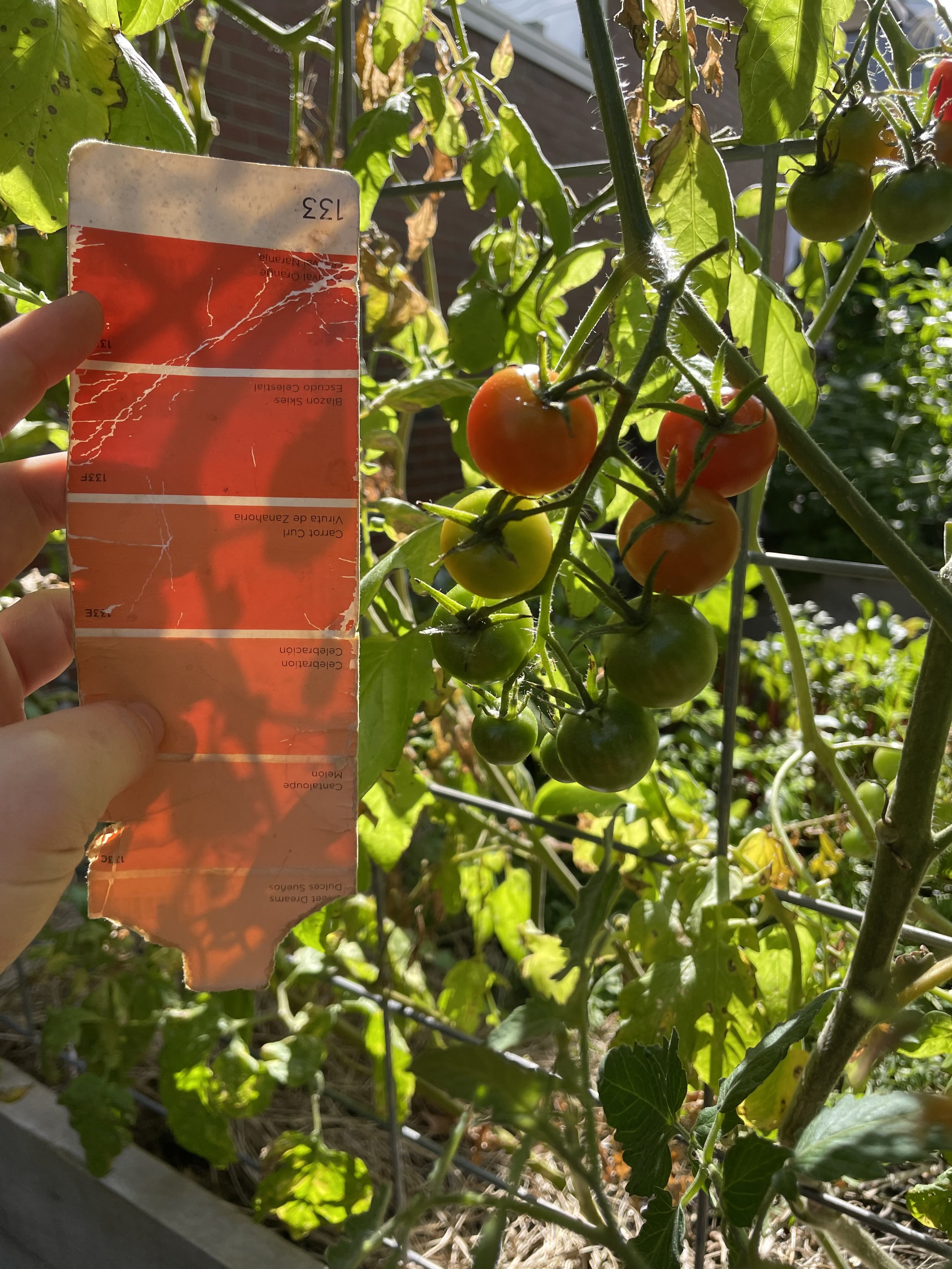
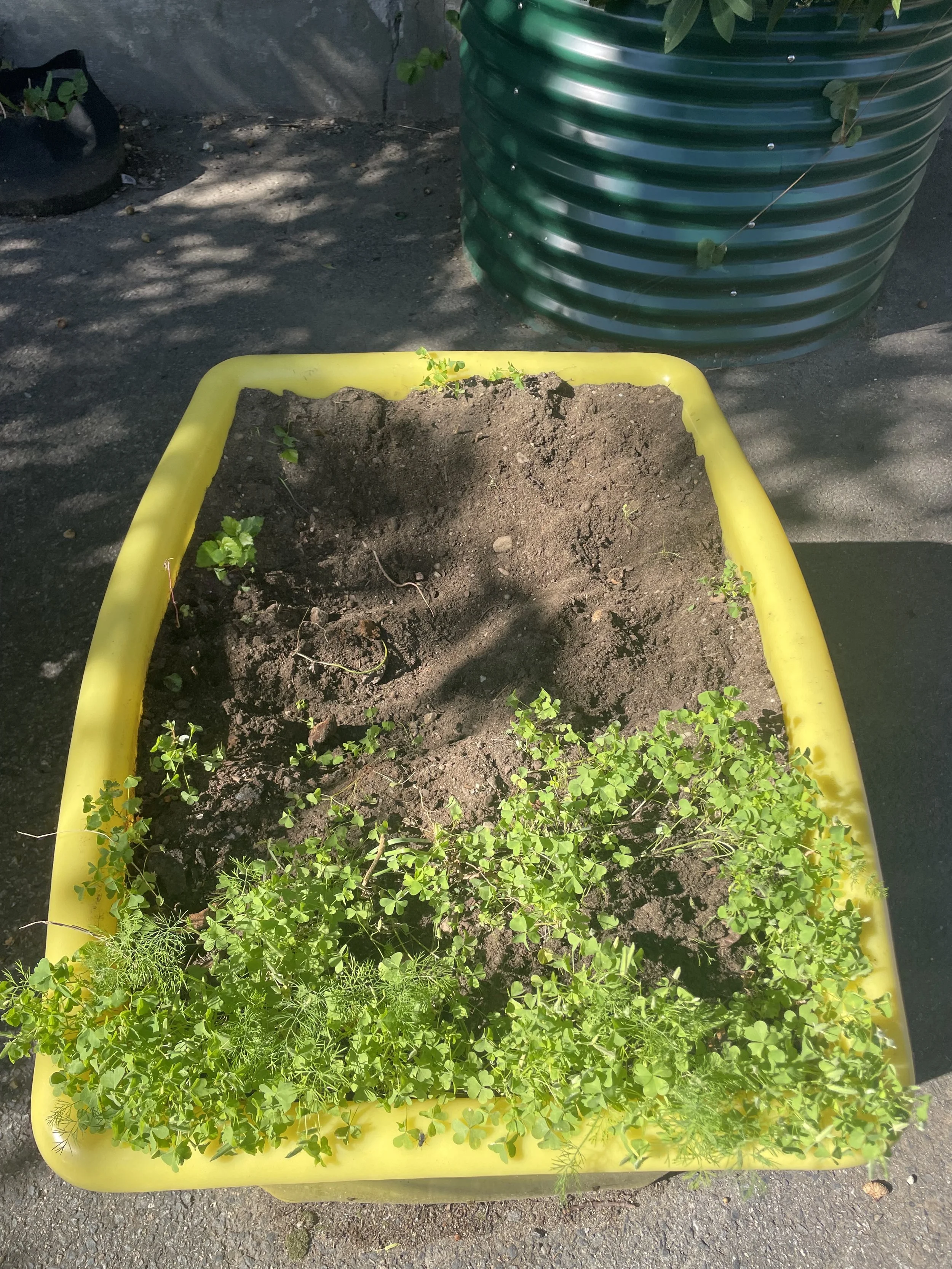
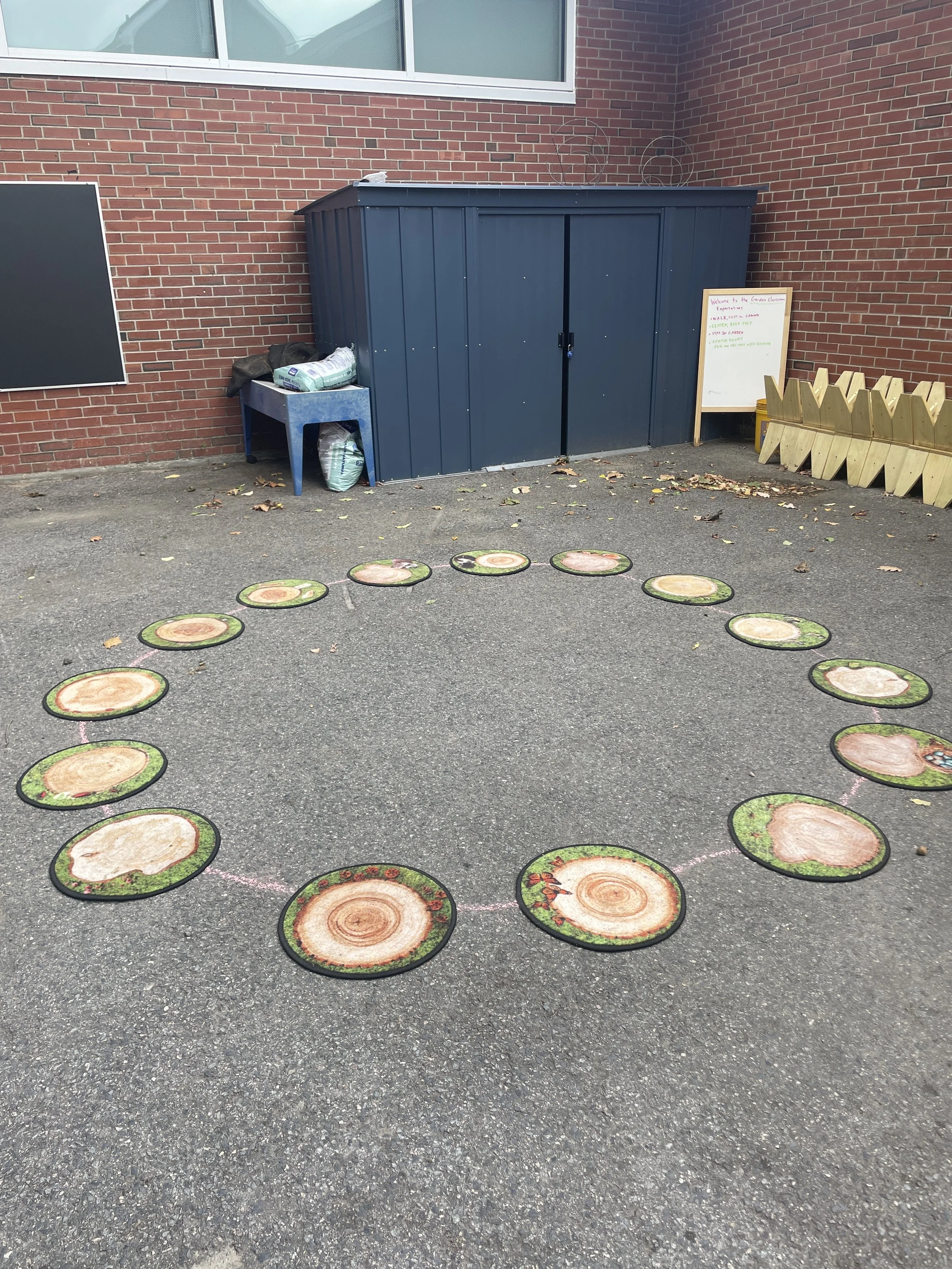
Pictured above: Examples of a “color scavenger hunt” activity, a dirt examination site, and an opening/closing circle
At first, I thought the student asked me so that I could guide them to the right plants in the garden. Before I could answer her, she–with an admirable attempt at stilling her bouncing toes–pointed to the circle of dirt surrounding the base of the tree I was sitting beside. The lesson for that day included learning about roots, and this was her showing me what she learned. Not as an answer to a question I asked, or to achieve recognition, but to bring me into the lesson and help me understand what was happening. This was a 6-year-old student.
Later in this lesson, a different student kept returning to a stack of sticks propped against the fence, dried out from the summer heat. She would do rounds, filling up her can at the spigot and carefully walking it over, one hand on the handle and one on the spout to ensure none spilled over. She would pour water carefully around the base of the sticks that were touching the soil.
“Students who were more reserved at the beginning of class, quietly sharing their names in the circle, bloomed once given a magnifying glass and 5 minutes of free observation time”
At this point, I had built some confidence watching the lesson and walked over to join her. I crouched down to her level and told her,
“These plants don't have roots anymore; the plants over there may still need a drink, though.”
She questioned this, asking why the roots were gone. I explained that they were old tree branches and were now dead. She took a few seconds to consider this reasoning, looking at the branches.
With an air of confidence, she responded,
“You should still take care of things, even if they're broken. I'm gonna keep gardening over here.”
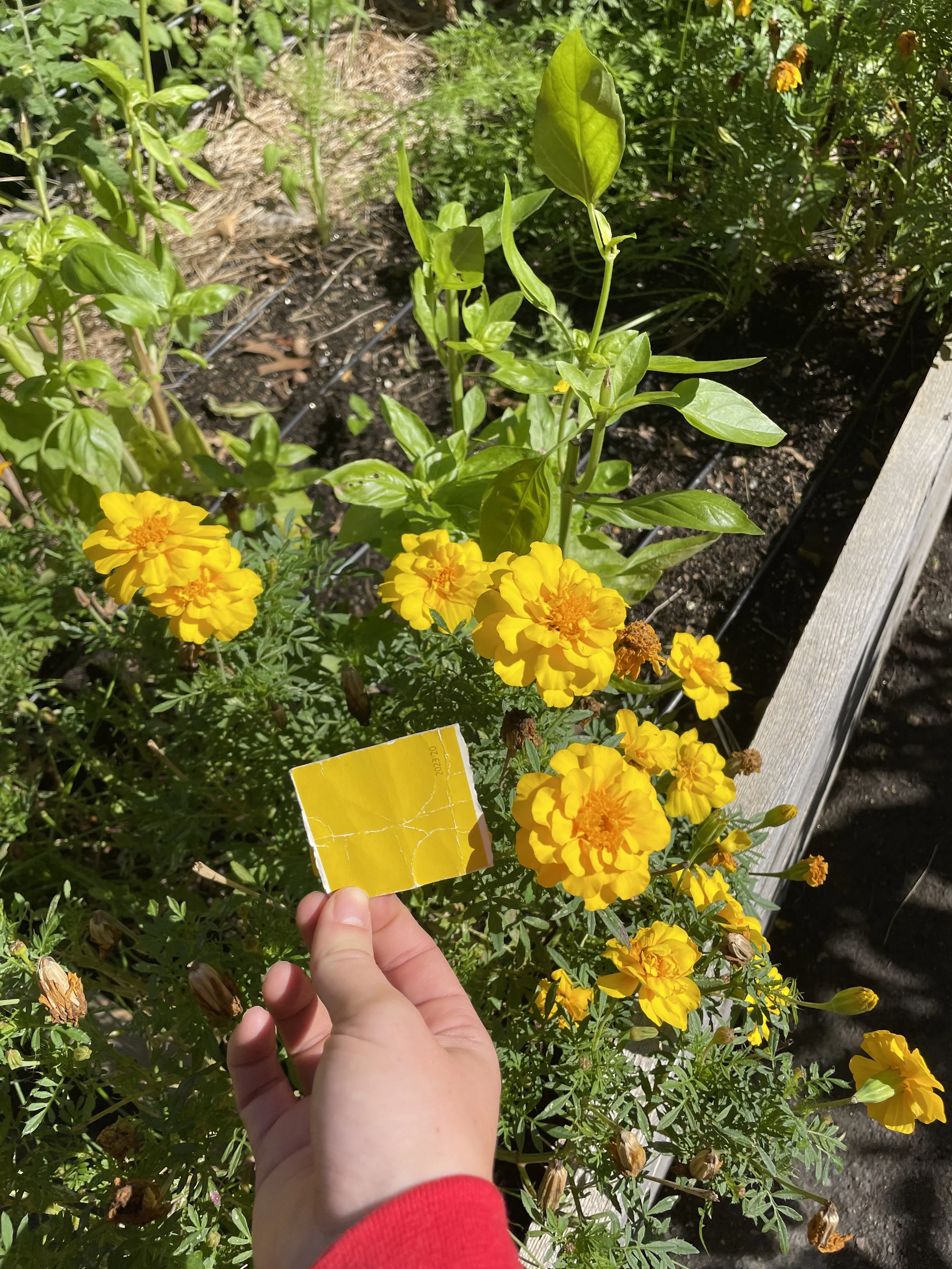
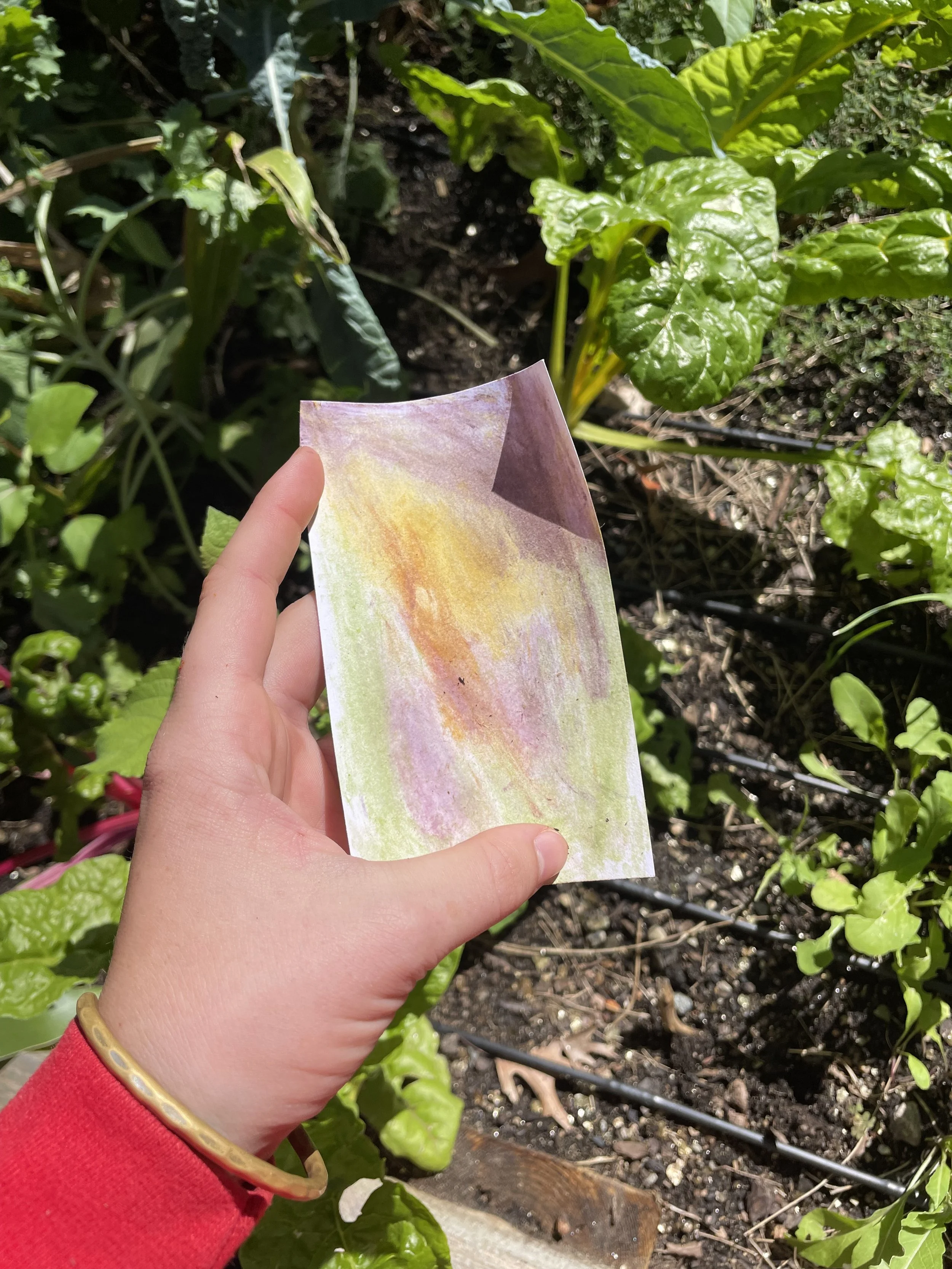
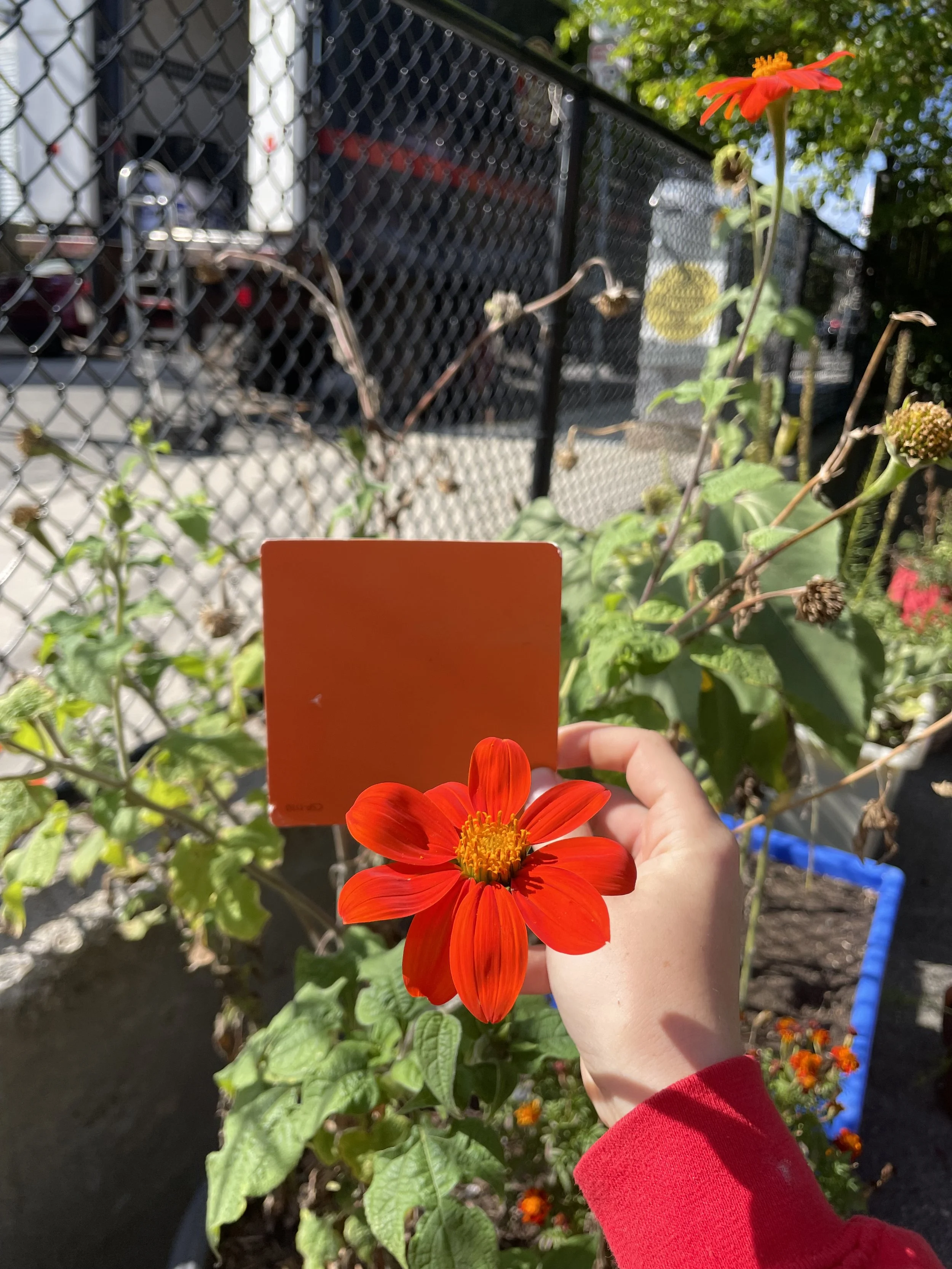
Pictured above: examples from color scavenger hunts and pigment painting!
The lesson plans for the first week(s) of garden always include setting garden expectations with students. Of course, different age groups will adapt these lessons to be more age-appropriate. For example, with the 3-year-olds at Henderson, setting garden expectations means explaining how to use gentle fingers with plants, and how to keep ears open to hear when a teacher is calling them in. With students even a few years older, those same principles can be applied with gradually increasing rationale. Instead of asking students to handle a plant as if it were a baby bunny (a metaphor that helps younger learners understand how fragile plants are), they already know the plants are fragile, and can connect this to plant anatomy.
With the first graders, we went over expectations with virtually no prompting from Jordan other than asking what the expectations were. From there, hands would shoot up in the air, ready to explain why we should be careful with the plants. As one first grader said,
“That's their body! It would hurt if something got taken off.”
Even within the first two weeks of the school year, students are making significant connections with plants and animals in the gardens. Students are already extending care and empathy from their own bodies toward plants and animals. They’re eager to show others the magic of the garden. Students who were more reserved at the beginning of class, quietly sharing their name in the circle, bloomed once given a magnifying glass and 5 minutes of free observation time. They checked in with the plants, under rocks for roly-polies, and showed me spots where they remembered seeing a spider spinning a web last week, hoping for another exciting show of nature.
The first week of garden lessons was rich in marigolds, corn, bumblebees, and excited kiddos. If you’re interested in hearing more about CitySprouts, you can check out one of our recent blog posts about the summer program or sign up for our monthly newsletter!